
US Customs at Toronto Pearson Airport: How Preclearance Actually Works.
US customs at Pearson Airport happens before you board, not after you land — a process called preclearance. This guide walks through the CATSA-to-CBP sequence, the priority lines worth knowing about, the documents you need, and what changes for connecting flights.
"US customs at the airport" confuses a lot of travellers the first time they see it on their itinerary, because it sounds like something that happens after landing. At Pearson, it's the opposite: the entire process happens in Toronto, before you ever board.
The short answer: what happens before you board.
Quick answer: US customs at Pearson Airport is handled through preclearance — you complete CATSA security screening first, then pass through a US Customs and Border Protection (CBP) hall where an officer reviews your documents and admissibility. Once cleared, you board and arrive in the US as a domestic passenger, skipping customs entirely on landing. The CBP hall operates from 3:30 a.m. to 9:00 p.m. at both Terminal 1 and Terminal 3, after CATSA screening opens at 3:00 a.m.
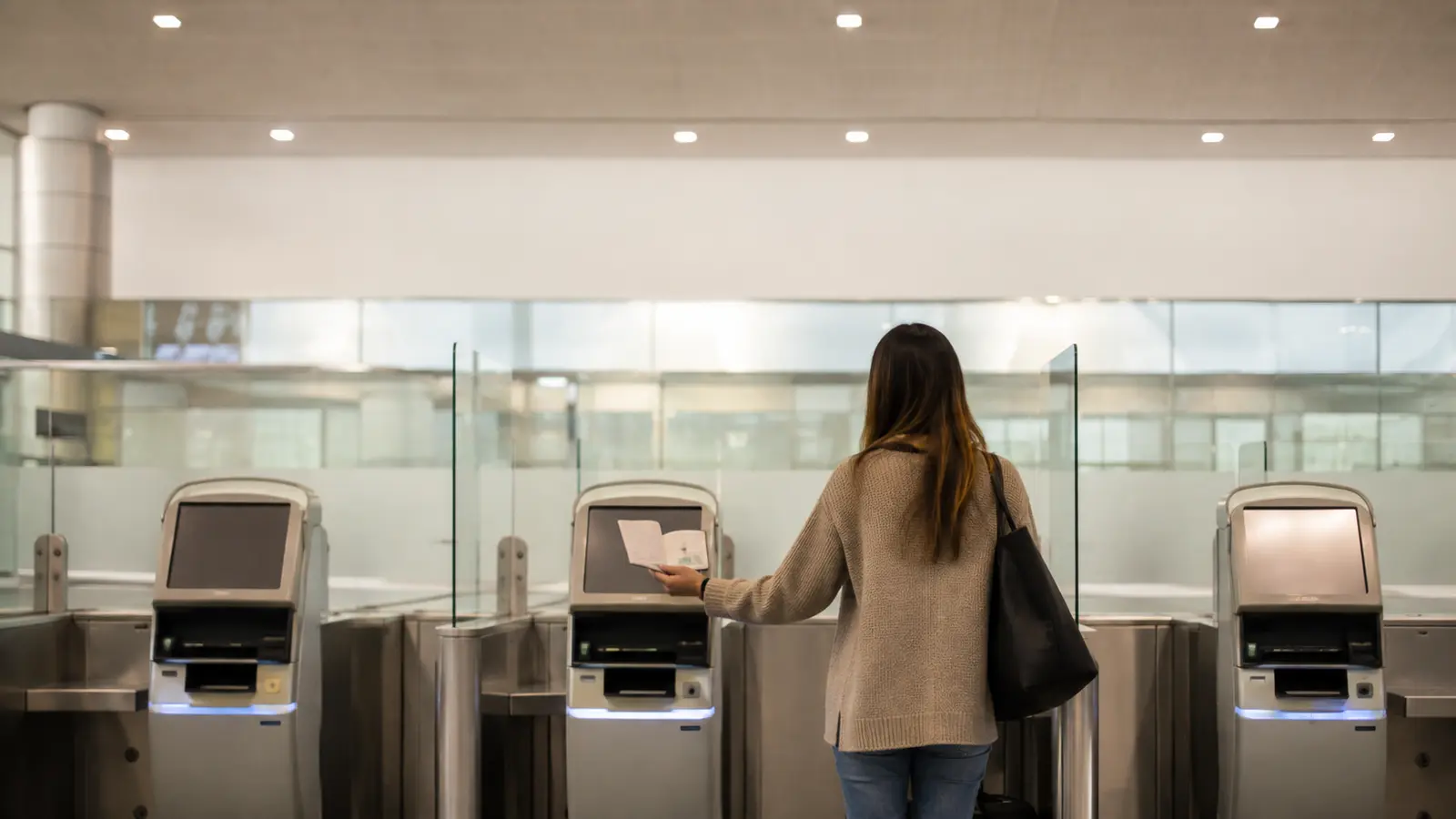
What preclearance actually is, and why Pearson has had it since 1952.
Preclearance is the strategic stationing of US Customs and Border Protection officers at airports outside the United States to inspect travellers before they board a US-bound flight. Pearson isn't a recent addition to this system — it's the original one. Preclearance operations have run continuously at Toronto Pearson since 1952, longer than at any other location worldwide.
The core benefit hasn't changed since then: travellers inspected at a preclearance facility are generally permitted to exit at a US domestic terminal on arrival, or connect directly to a domestic US flight, without further CBP processing. In practical terms, you land in the US the same way a domestic passenger does — no immigration line, no customs hall, no second inspection.
Pearson isn't alone in Canada. CBP now operates 16 preclearance locations across six countries, and Toronto gained a second, separate preclearance office at Billy Bishop Toronto City Airport in March 2026 — a distinct facility from the one at Pearson.
At a GlanceThe departure sequence, check-in to gate.
A US-bound departure from Pearson follows a specific order, and knowing it in advance removes most of the confusion.
| Step | What happens |
|---|---|
| 1. Check-in & bag drop | Standard airline check-in; checked bags are tagged through to your US destination. |
| 2. CATSA security screening | Standard Canadian security screening, opening at 3:00 a.m. for US-bound passengers. |
| 3. USCBP preclearance hall | Document check, admissibility interview and customs declaration with a CBP officer. |
| 4. Departure gate | You board like a domestic US flight; no further customs on landing. |
Step 1: CATSA security screening comes first.
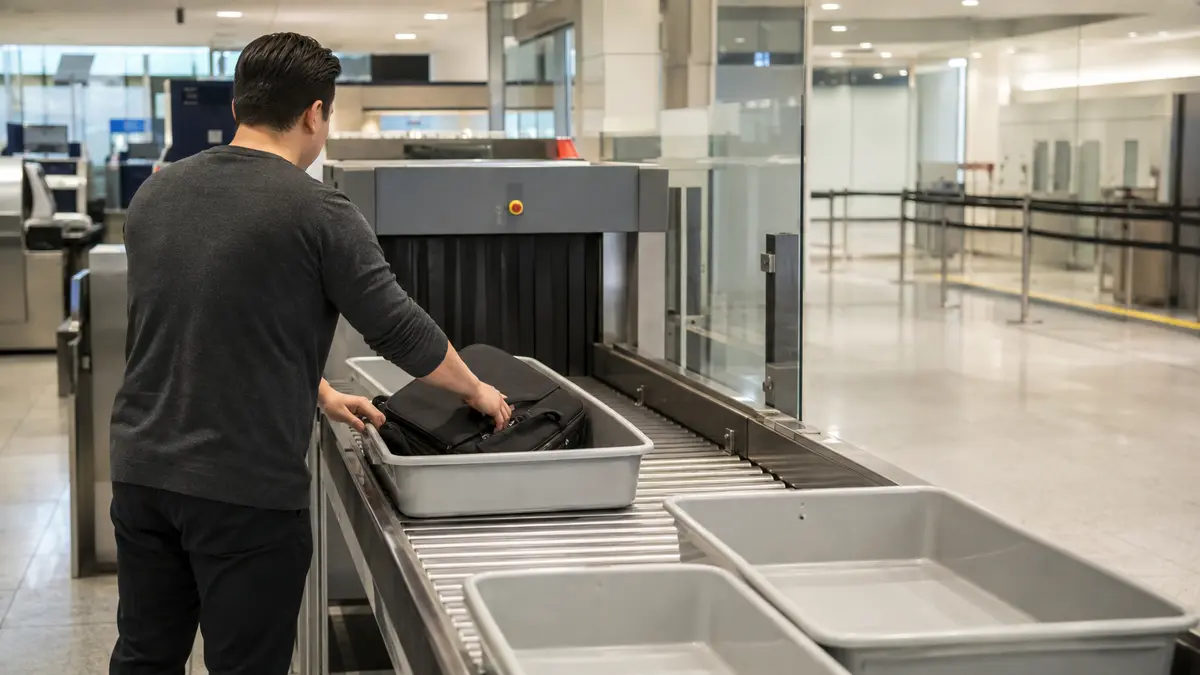
Canada's own aviation security screening, run by the Canadian Air Transport Security Authority (CATSA), takes place before you reach the US preclearance hall. This ordering isn't incidental — CBP and CATSA formally arranged for Canadian pre-boarding screening to meet US security standards, which is what allows CBP to trust CATSA's screening and skip a second security check for precleared passengers landing in the US.
Prepare for this stage the same way you would for any Canadian flight: liquids and gels in containers of 100 mL or less inside one resealable bag, laptops out for screening, and electronics charged in case of additional inspection.
Step 2: Inside the USCBP preclearance hall.
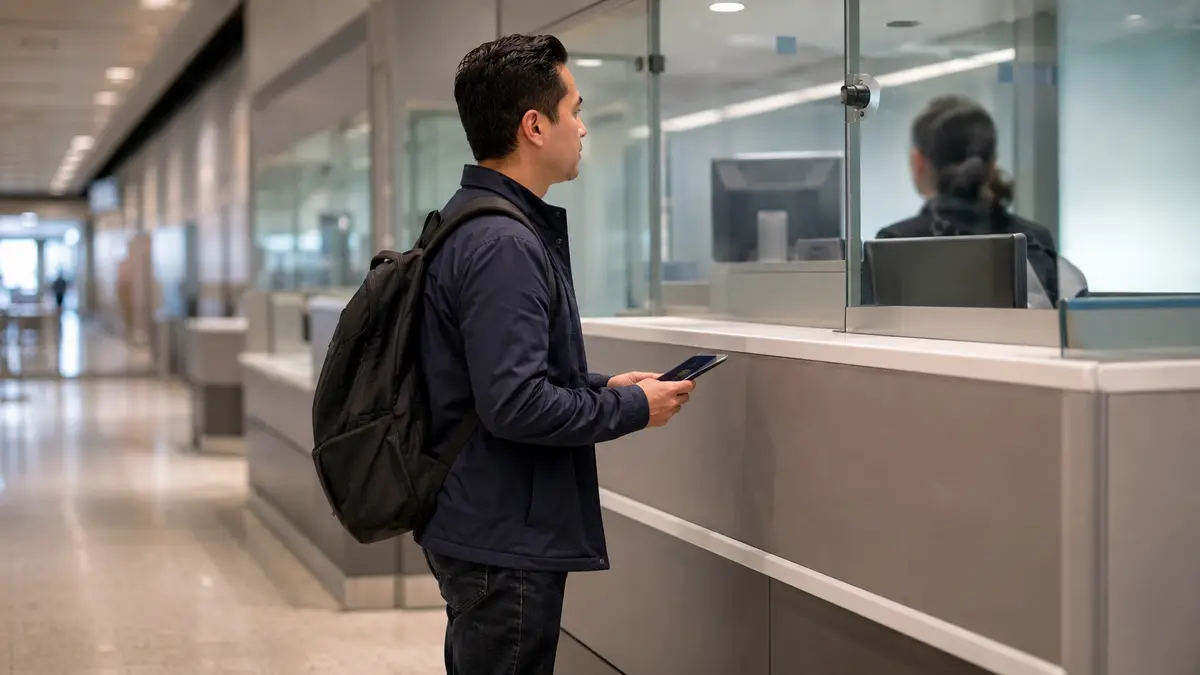
Once through CATSA, you enter a dedicated USCBP hall, separate from the Canadian arrivals customs area used by inbound international passengers. A CBP officer reviews your passport or other travel document, and as part of a facial-comparison identity check CBP has rolled out at Canadian preclearance locations, you may be asked to pause for a photo at the inspection point.
You'll also complete a customs declaration covering what you're bringing into the United States. Assuming everything checks out, you're cleared to proceed — and from that point, you move through the terminal exactly as any other departing passenger would, including duty-free shopping past the preclearance point.
PlanningOperating hours: what "3:00 a.m. to 9:00 p.m." means for your flight.
For most travellers this window is generous, but it matters for very early departures. If your flight boards shortly after 3:30 a.m., there's very little margin between the CBP hall opening and your boarding time — arriving right at your airline's standard check-in cutoff isn't enough buffer. Our guide on how early to arrive at Pearson Airport covers how to calculate a safe arrival time for a US-bound flight specifically.
Faster ProcessingPriority lines: NEXUS, Global Entry, and mobility assistance.
NEXUS cardholders and travellers using a wheelchair or needing mobility assistance can use a dedicated line at US customs by showing a boarding pass and valid NEXUS card, or a completed customs declaration form or card. Global Entry members use the same NEXUS kiosks at Pearson's preclearance facility.
Mobile Passport Control is a free CBP app that lets you submit your passport and travel information digitally before you arrive, which Pearson specifically recommends for a smoother preclearance experience regardless of NEXUS status.
Before You TravelDocuments you need for US preclearance.
- A valid passport. Required for all travellers crossing the border by air, including NEXUS members.
- A visa or eTA/ESTA, if required. Requirements depend on your citizenship and travel purpose — check the US Visa Waiver Program page if you're eligible to travel without a visa.
- A completed customs declaration. Covering goods, currency and any items subject to duty.
- NEXUS or Global Entry card, if applicable. Pearson's NEXUS enrolment office is on Terminal 1's Departures level, for anyone applying rather than already enrolled.
Terminal 1 vs Terminal 3: does it change the process?
No. Both terminals operate a full USCBP preclearance facility with identical hours — CATSA screening from 3:00 a.m. and CBP processing from 3:30 a.m. to 9:00 p.m. The airline you're flying determines your terminal, not the customs process itself. For a full breakdown of which airlines use which terminal, see our Pearson Terminal 1 vs Terminal 3 guide.
ConnectionsWhy preclearance matters for connecting flights.
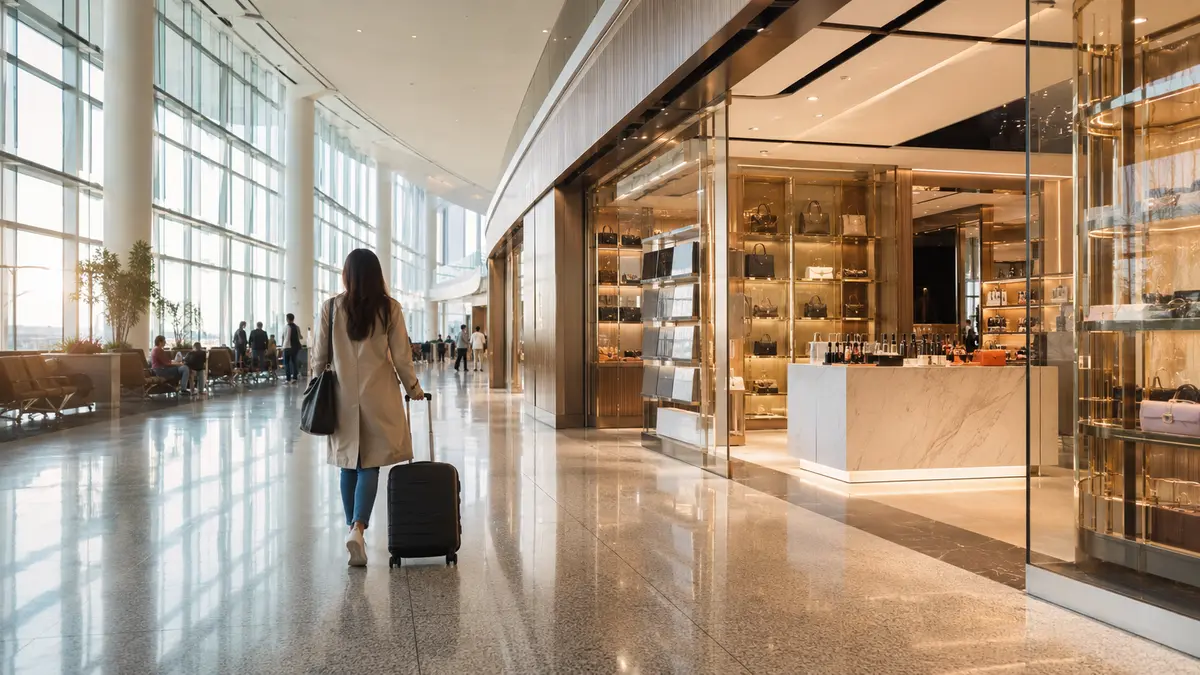
This is where preclearance earns its keep. A traveller flying Pearson to Chicago with a connection to a smaller US city lands at a domestic gate, walks to the connecting flight, and boards — no customs line standing between the two flights. Without preclearance, that same traveller would need to clear US customs on arrival before making the connection, adding real risk to a tight layover.
If Something Goes WrongIf you're refused, or held for further review.
A preclearance inspection is essentially the same inspection you'd undergo at a US port of entry — the difference is that it happens in Canada. That means an officer can determine a traveller is inadmissible before boarding, rather than after landing in the US. If that happens, you won't board the flight, and you remain in Canada rather than being processed for removal from US soil. Anyone with a document issue, a prior immigration violation, or an unclear travel purpose should resolve it before travel day rather than hoping preclearance sorts it out.
PlanningCommon preclearance mistakes.
- Treating it as a formality. Preclearance is a full US immigration and customs inspection — it can result in a denied boarding.
- Assuming NEXUS priority access is guaranteed. The lane has had real, reported outages in 2026 — confirm current status.
- Cutting arrival time too close for early flights. The CBP hall opens at 3:00 a.m. (CATSA) and 3:30 a.m. (CBP) — there's little buffer for very early departures.
- Not checking visa or ESTA requirements in advance. This is discovered at the CBP counter, not before, if left unchecked.
- Forgetting the customs declaration. Have a clear idea of what you're bringing into the US before you reach the counter.
Airport departure planning around preclearance timing.
A 3:00 a.m. CATSA opening changes what "getting to the airport early" means for a US-bound flight. Planning the trip to Pearson deserves the same attention as planning the customs process itself.
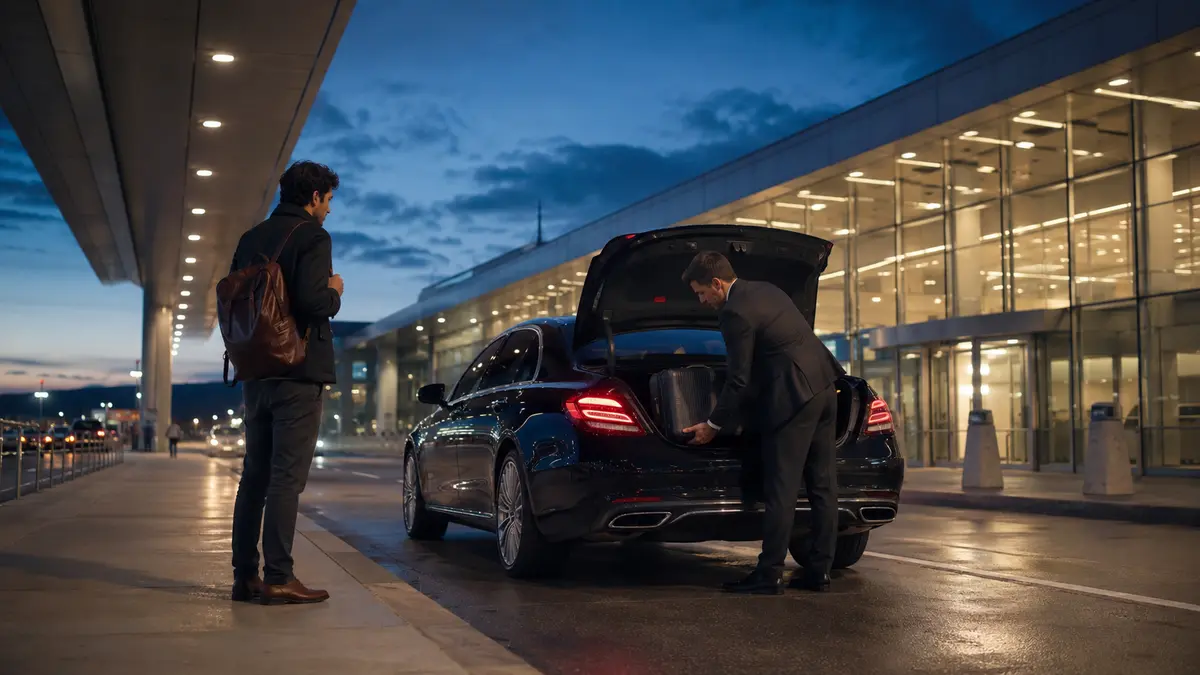
- Pre-dawn departures, handled. A reservation is confirmed the night before, removing the guesswork of an early alarm and an unfamiliar drive.
- Flight monitoring. If your flight time shifts, pickup can be adjusted accordingly.
- Terminal-specific drop-off. Whether you're departing Terminal 1 or Terminal 3, the drop-off instructions match your actual terminal.
- Vehicle matched to your trip. Solo business travel, a family with luggage, or a small group heading to the same US meeting.
Obsidian Ride provides pre-arranged Pearson Airport chauffeur service for departures at either terminal, including corporate travel accounts for teams flying to US meetings. Vehicles are selected around passengers and luggage — browse the fleet before booking.
US customs at Pearson: frequently asked questions.
What is US preclearance at Toronto Pearson Airport?
US preclearance is the process of completing US customs and immigration inspection in Toronto, before you board your US-bound flight, rather than after you land. Pearson has operated preclearance continuously since 1952, longer than any other location. Once cleared, you board and arrive in the US as a domestic passenger.
How is US customs at Pearson different from clearing customs after landing?
At Pearson, a US Customs and Border Protection officer reviews your documents and admissibility before departure, using a dedicated preclearance hall separate from the Canadian arrivals customs area. Because the inspection happens in Canada, you exit at a US domestic terminal on arrival with no further customs processing. If you were refused, you'd remain in Canada rather than being processed for removal from US soil.
What time does the US CBP hall open at Pearson?
CATSA security screening for US-bound passengers begins at 3:00 a.m. at both Terminal 1 and Terminal 3, and USCBP processing runs from 3:30 a.m. until 9:00 p.m. Very early flights have limited buffer within this window, so confirm your airline's specific check-in cutoff for that day.
Do I need a visa or ESTA to clear US preclearance at Pearson?
It depends on your citizenship and travel purpose. Many nationalities can travel without a visa under the Visa Waiver Program, provided their eTA (ESTA) is approved before travel, while others require a formal US visa. Check requirements well before your flight, since this can't be resolved at the CBP counter.
Can I use NEXUS or Global Entry at Pearson's preclearance hall?
Yes, NEXUS cardholders and Global Entry members can use a dedicated priority line and kiosks by showing a valid card and boarding pass. The lane has experienced temporary closures in 2026, so confirm current availability before relying on it, and have the Mobile Passport Control app as a backup.
What is Mobile Passport Control and should I use it?
Mobile Passport Control is a free CBP app that lets you submit your passport and travel information digitally before arriving at the airport. Pearson specifically recommends it for a smoother preclearance experience, and it's a useful backup if the NEXUS/Global Entry lane is temporarily unavailable.
What happens if a preclearance officer denies me entry?
You won't be permitted to board your US-bound flight, and you remain in Canada rather than being processed for removal from US soil, since the inspection happens before departure. This is one of preclearance's stated purposes — identifying inadmissible travellers before they fly rather than after they land.
Is US preclearance available at both Terminal 1 and Terminal 3?
Yes, both terminals operate a full USCBP preclearance facility with identical hours. Your airline determines which terminal you use, not the customs process itself.
Does CATSA security or US customs come first at Pearson?
CATSA security screening comes first, followed by the USCBP preclearance hall. This order exists because CBP and CATSA arranged for Canadian screening to meet US security standards, allowing precleared passengers to skip a second security check on arrival in the US.
How does US preclearance help travellers with connecting flights?
Precleared passengers land in the US as domestic passengers and can walk directly to a connecting flight without a customs line in between. Without preclearance, a tight connection would require clearing US customs on arrival first, adding real risk of a missed flight.
Plan the drive to Pearson as carefully as the customs process.
Add your flight number and terminal to a reservation, and your departure-day pickup is confirmed in advance — including early-morning US departures.
Sources: Toronto Pearson — US Customs at Pearson, NEXUS and Global Entry, CBP — Preclearance, CBP — Visa Waiver Program. Procedures, hours and priority-lane availability can change — confirm current details with Toronto Pearson and CBP before travel.