
What Happens After You Land at Pearson Airport: The Arrival Process Explained.
The Pearson arrival process runs in a set order — deplaning, immigration, baggage claim, and a customs declaration — and knowing that order in advance makes the whole thing far less confusing. This guide walks through each step for anyone landing at Pearson for the first time.
Landing somewhere new is disorienting enough without wondering whether you're meant to turn left or right off the jet bridge. Pearson's arrival process is more structured than it looks from the inside of a descending plane — there's a clear order to it, and once you know the order, the rest is just following signs.
The short answer: the order things happen in.
Quick answer: After landing at Pearson, you'll deplane and follow signage toward either "Canada Customs" (international arrivals) or straight to baggage claim (domestic and precleared US arrivals). International arrivals confirm their identity and complete a customs declaration at a kiosk or eGate, collect checked baggage, then exit through a declaration lane. Pearson advises the full international process typically takes one to three hours; domestic and precleared arrivals move through considerably faster.
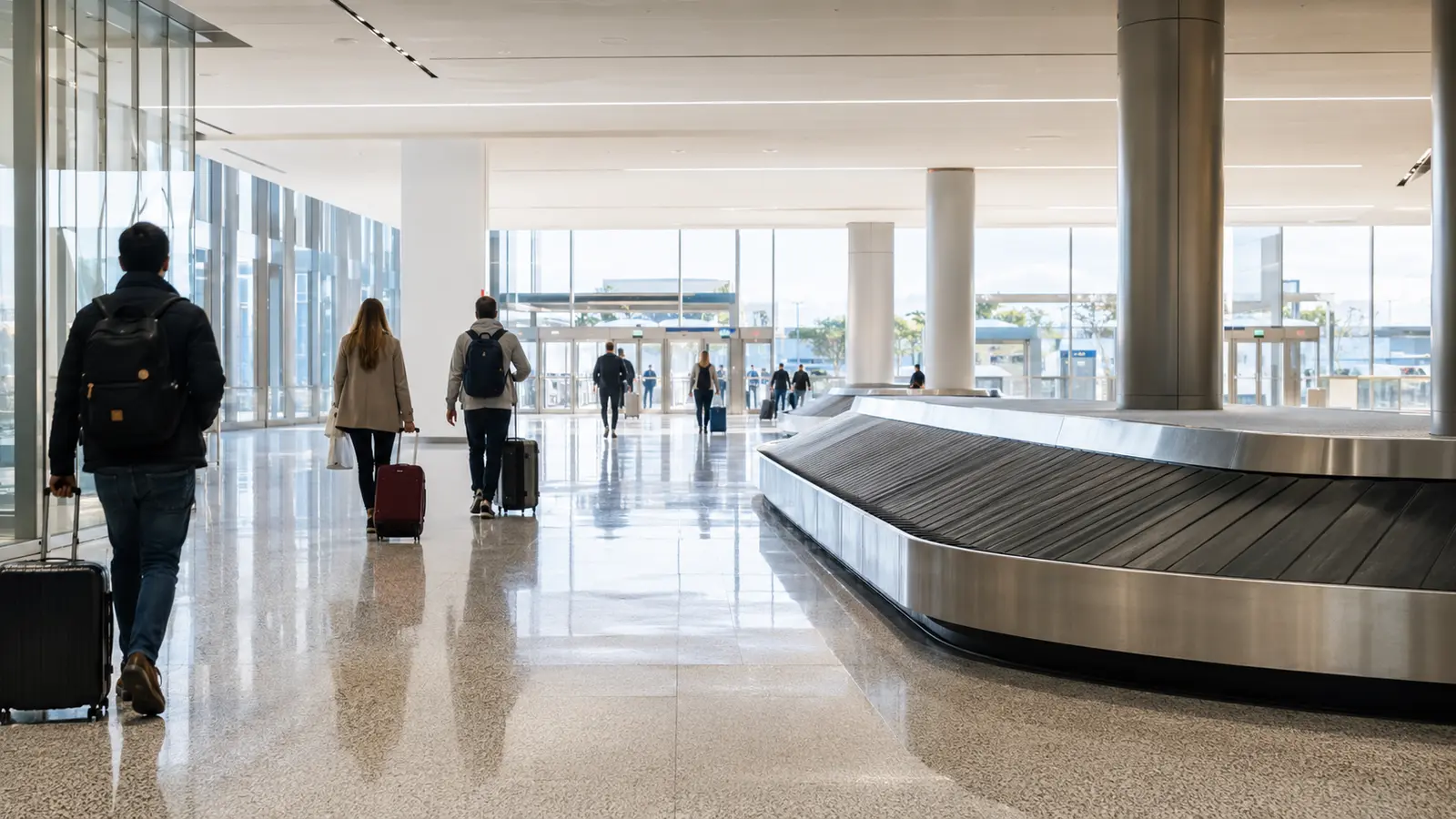
The arrival path, by traveller type.
| Traveller type | Immigration/customs step | Typical pace | Entry document needed |
|---|---|---|---|
| Domestic arrival | None | Straight to baggage claim and the exit | Government-issued photo ID |
| Precleared US arrival | None — completed before departure | Same as domestic, straight through | Passport (already used at preclearance) |
| International or non-precleared arrival | CBSA kiosk/eGate, then declaration | Pearson advises 1–3 hours total, including bags | Passport, plus eTA or visa if required |
Before you land: what a first-time visitor should have ready.
A little preparation before descent saves time once you're standing in the arrivals hall.
- Your passport. The primary document CBSA uses to confirm your identity, regardless of nationality.
- An eTA or visa, if required. Most visa-exempt foreign nationals flying to Canada need an Electronic Travel Authorization, applied for and linked to their passport before departure. It isn't something you can arrange after landing.
- A rough idea of what you're declaring. Gifts, purchases, food items, or anything acquired abroad — you'll be asked.
- Your accommodation address and trip purpose. Officers may ask where you're staying and why you're visiting.
Step 1: Deplaning and following the signage.
Once off the aircraft, signage splits passengers early: international and non-precleared US arrivals follow signs toward Canada Customs, while domestic and precleared US arrivals head directly toward baggage claim. Which terminal you land in — Terminal 1 or Terminal 3 — depends on your airline, not your customs path; our Pearson Terminal 1 vs Terminal 3 guide covers exit points and layout in more depth.
Step 2: Immigration and the primary inspection kiosk.
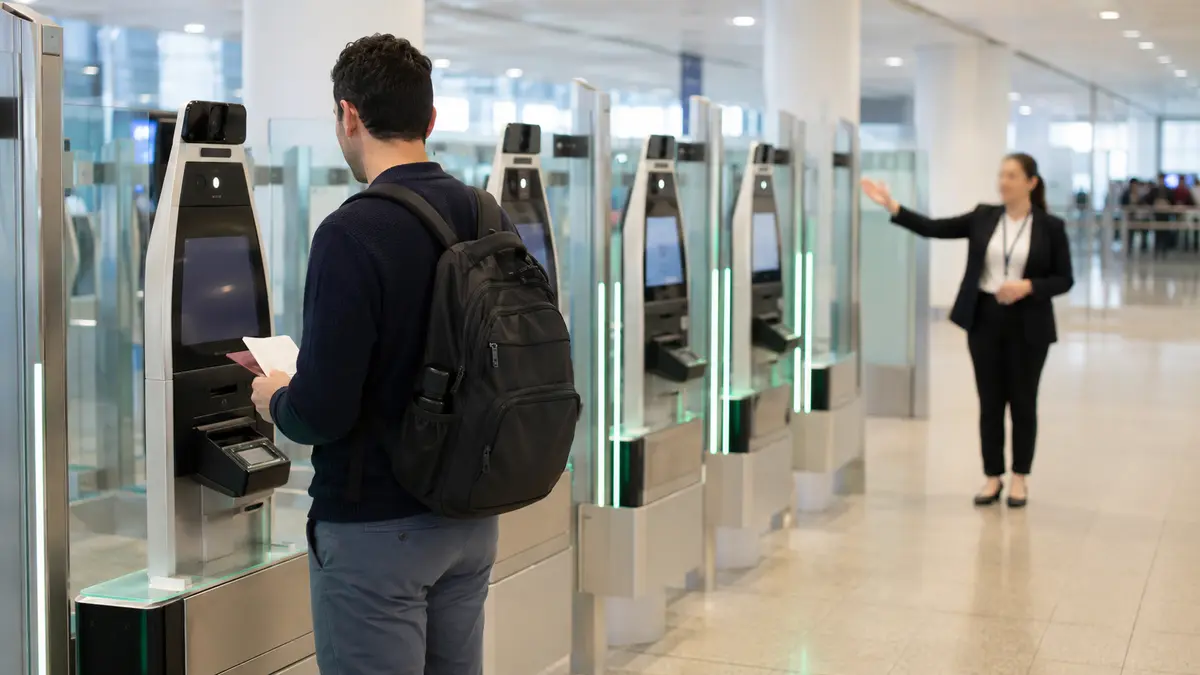
International arrivals confirm their identity using a primary inspection kiosk (PIK) or eGate. The process is simple: scan your travel document, take a photo when prompted, and answer a short series of declaration questions, then take the printed receipt to a border services officer on your way out. Up to five travellers from the same household can use one kiosk together.
Some travellers skip the kiosk entirely and go straight to an officer — this includes unaccompanied children under 16, diplomats, and anyone whose travel document isn't machine-readable. If you have NEXUS membership, a dedicated kiosk is available as an alternative to the regular line.
One detail worth knowing before you fly: the Electronic Travel Authorization (eTA) is required for most visa-exempt foreign nationals travelling to Canada by air, is linked electronically to your passport rather than printed, and is valid for up to five years. US citizens don't need one, but should still carry a valid passport.
BaggageStep 3: Baggage claim.
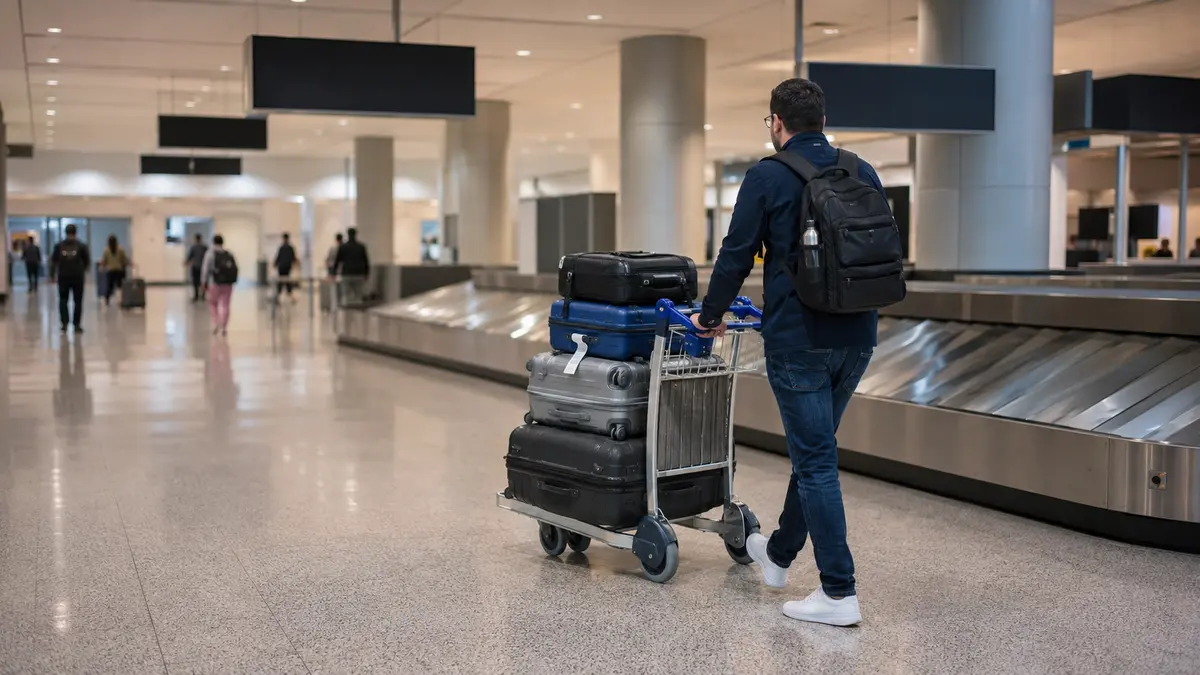
Your flight's carousel assignment is shown on the arrivals display boards and in Pearson's flight arrival guide — it's worth a glance rather than assuming your usual carousel from a previous trip. Free baggage carts, provided courtesy of CIBC, are available to move luggage through the terminal.
Travelling with a lot of bags, or arriving with mobility needs? Porter Service is available at both terminals — for international arrivals, look for a Porter near the baggage hall entrance after clearing immigration; for domestic arrivals, Porter Service can be called ahead by phone with your flight number and bag count.
CustomsStep 4: The customs declaration.
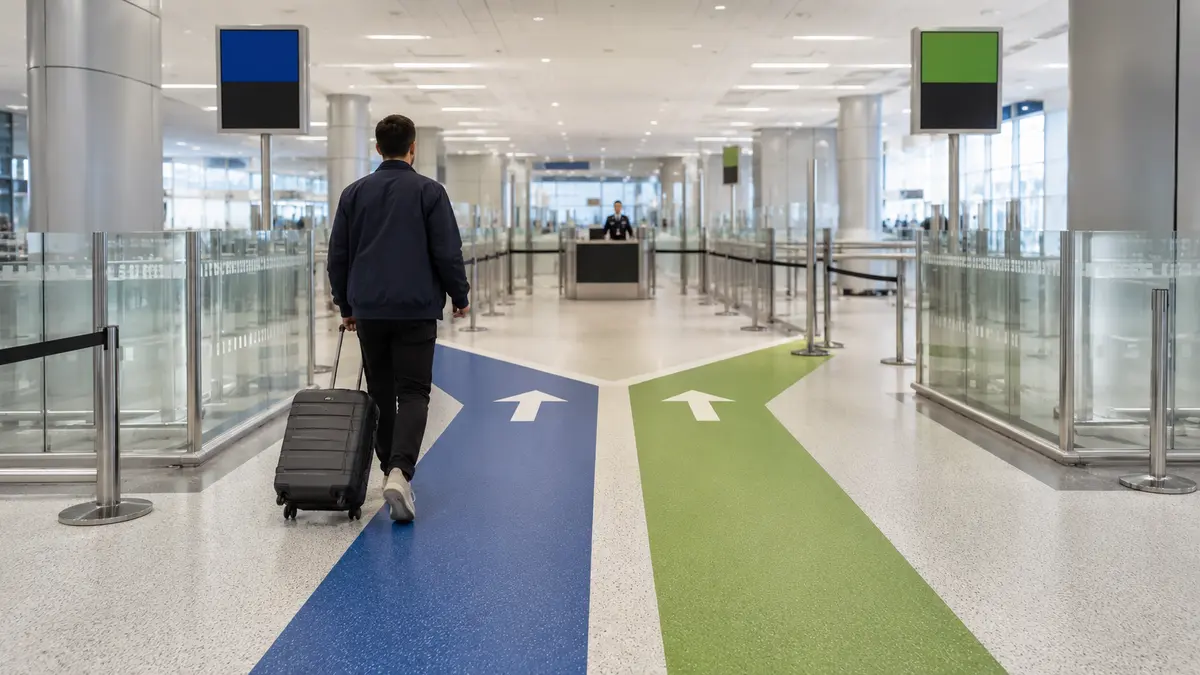
With bags in hand, you'll exit through a customs area. Pearson has introduced a "Goods to Declare" lane across both terminals: travellers with something to declare follow that signage to an officer for assessment, while those with nothing to declare continue through the standard exit. All travellers still present their kiosk or eGate receipt on the way out.
You can speed this whole step up before you even land. The Advance Declaration feature in the ArriveCAN app lets you submit your customs and immigration information up to 72 hours ahead of arrival, and travellers who use it get access to express lanes at the kiosks where available.
What you can bring into Canada as a visitor.
As a visitor rather than a returning resident, your allowances work a little differently. You can bring gifts into Canada duty- and tax-free as long as each one is valued at no more than CAN$60 and isn't tobacco, vaping products, alcohol, or advertising material — anything over that amount is taxed on the portion above $60. Personal goods for your own use, such as clothing, cameras, camping gear and personal computers, can generally come in without duty as long as you declare them and plan to take them home with you.
Food, plants, animal products, and pets always need to be declared, regardless of value. For anything specific to your trip, the CBSA's guidance on what visitors can bring into Canada and its companion page on border information for visitors are worth a look before you pack.
Faster PathThe faster path: domestic and precleared US arrivals.
If you're arriving on a domestic flight, or a US flight that was precleared before departure, none of the immigration and customs steps above apply to you at Pearson — that work was already done, or isn't required for travel within Canada. You'll head straight from the gate to baggage claim and out to the exit, which is a considerably quicker process than the international path.
If you're connecting to another flight.
Pearson is where many international visitors first touch down before continuing to another Canadian city. If Pearson is your first point of entry into Canada, you'll clear the full immigration and customs process here even if your final destination is elsewhere — collect your bags, declare them, then re-check them for the next leg. Build a realistic buffer into a self-transfer itinerary rather than a tight one; our guide on how early to arrive at Pearson Airport is written for the departure side of this same trip.
PlanningIf something doesn't go to plan.
- Missing or delayed baggage. Report it to the airline's baggage service desk near the carousel before you leave the hall.
- Selected for further review. A small number of travellers are asked additional questions or have bags inspected — this is routine, not a sign anything is wrong, and simply takes longer.
- Unsure which lane to use. Ask a Pearson staff member or border services officer rather than guessing; they'd rather redirect you than have you in the wrong line.
- Meeting point confusion. Agree on a specific spot with whoever is meeting you before you land, since large arrivals halls have more than one exit.
Getting oriented once you're through.
Once you're past customs, you're in the public arrivals hall — this is where currency exchange counters, ATMs, and dining options are found in both terminals, though exact locations and hours are worth checking on Pearson's own services directory if you want specifics ahead of time. It's also where every ground transportation option — public transit, taxis, rideshare, and pre-arranged transfers — begins.
Meeting your ride: the calmest part of a first trip.
For a first-time visitor, the arrivals hall is the one part of the trip you can't rehearse in advance. A pre-arranged meet-and-greet removes the one variable most people worry about — finding transportation in an unfamiliar city, right after a long flight.

- Flight monitoring. Your flight number is attached to the reservation, so the pickup adjusts if your arrival time shifts.
- A name at the exit. No app to figure out, no zone number to find, no queue to join after a long flight.
- Luggage assistance. Genuinely useful after an international flight with checked bags.
- Straight to where you're staying. Whether that's a downtown hotel or an address across the GTA.
Obsidian Ride provides pre-arranged Pearson Airport chauffeur service for arriving passengers across Toronto and the GTA, including corporate travel accounts for visiting business travellers. Vehicles are matched to passenger count and luggage — browse the fleet before booking, or see our luxury hotel transfer service if a downtown hotel is your first stop.
The Pearson arrival process: frequently asked questions.
What happens immediately after you land at Pearson Airport?
After deplaning, signage directs you either toward Canada Customs (international and non-precleared US arrivals) or straight to baggage claim (domestic and precleared US arrivals). International arrivals confirm their identity at a kiosk or eGate, collect their bags, then complete a customs declaration on the way out.
Do I need a visa or eTA to enter Canada at Pearson?
Most visa-exempt foreign nationals flying to Canada need an Electronic Travel Authorization (eTA), which is linked to your passport and applied for before you travel. US citizens are exempt but should still carry a valid passport. Requirements vary by nationality, so check Canada's official eTA eligibility tool before booking your flight.
How does the primary inspection kiosk work?
You scan your passport or travel document, take a photo when prompted, and answer a short set of declaration questions on screen. The kiosk prints a receipt, which you hand to a border services officer on your way through the exit. Up to five travellers from the same household can use one kiosk together.
How long does the Pearson arrival process usually take?
Pearson advises that international arrivals typically need one to three hours to complete customs and collect luggage, though busy arrival periods can extend that. Domestic arrivals and precleared US arrivals skip the customs step entirely and move through considerably faster.
What is the "Goods to Declare" lane?
It's a signed lane, introduced across both terminals, that separates passengers who have something to declare from those who don't. Travellers without goods to declare continue through the standard exit, while those declaring goods follow the signage to an officer for assessment.
Do domestic and precleared US arrivals go through customs too?
No. Domestic arrivals aren't crossing an international border, and precleared US arrivals already completed customs and immigration before departure. Both groups go straight from the gate to baggage claim and the exit.
What happens if I'm connecting to another flight within Canada?
If Pearson is your first point of entry into Canada, you clear full immigration and customs here even if your final destination is another city. You'll collect your checked bags, declare them, then re-check them for your connecting flight, so build a realistic buffer into a tight connection.
What can I bring into Canada as a first-time visitor?
Gifts valued at CAN$60 or less each are duty- and tax-free, provided they aren't tobacco, vaping products, alcohol, or advertising material. Personal items like clothing, cameras, and laptops for your own use generally don't require duty as long as they're declared and you plan to take them home. Food, plants, animal products, and pets must always be declared.
What if my baggage doesn't arrive?
Report it to your airline's baggage service desk near the carousel before you leave the baggage hall. Staff there can register a claim and advise on delivery once your bag is located.
What's the easiest way to get from arrivals to my hotel as a first-time visitor?
A pre-arranged chauffeur removes the need to navigate transit, taxi stands or rideshare apps in an unfamiliar city right after a long flight. Obsidian Ride's meet-and-greet service tracks your flight and meets you near the exit with a name sign, then takes you directly to your hotel or address.
Have your first Toronto arrival planned before you land.
Add your flight number and terminal to a reservation, and someone will be waiting with your name the moment you clear the exit doors.
Sources: Toronto Pearson — Customs and Immigration, Baggage Claim, CBSA — What Visitors Can Bring Into Canada, IRCC — Electronic Travel Authorization. Procedures and requirements can change — confirm current details with Toronto Pearson and the Government of Canada before you travel.