
Bringing Food Into Canada: What’s Allowed, and How Much.
Whether a food item is admissible depends far more on the country you are flying from than on what the item is. This guide sets out the current quantity limits for arrivals from the United States and from everywhere else, and explains why declaring an item is a separate question from being allowed to keep it.
Most of the anxiety around this subject comes from a single misunderstanding. People assume that declaring food is an admission of something, and that saying nothing about a sealed packet of biscuits is the safer option. It is exactly the wrong way round.
Declaring is the legal requirement and the thing that protects you. Whether the item is then admitted is a separate decision, made by an officer against rules set by two federal agencies.
Bringing food into Canada is permitted within limits, and every food item must be declared. Most categories are capped at 20 kg or 20 L per person. Arrivals from the United States face relatively few restrictions. Arrivals from any other country cannot bring eggs, and cannot bring fresh, dried or cured meats at all.
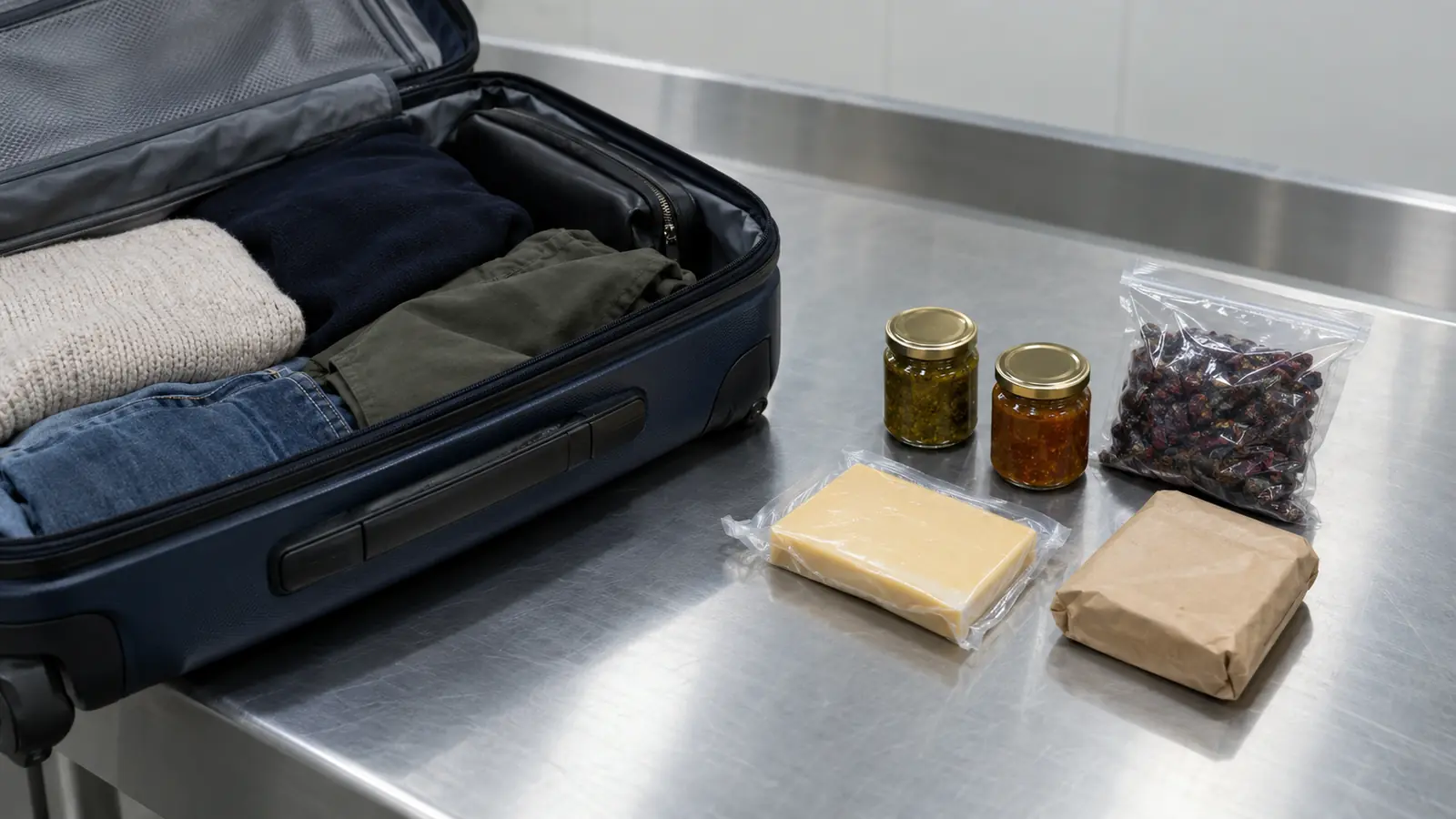
Declaring and being allowed are two different things.
Two federal bodies share this. The Canadian Food Inspection Agency sets what may enter and in what quantity. The Canada Border Services Agency enforces it at the border and decides, item by item, what comes through.
The obligation on you is narrow and absolute: declare all food, plant and animal items when entering Canada, whether or not you believe they are regulated. If you are unsure about something, the correct move is to declare it and ask.
The practical consequence is worth stating plainly. Declare a prohibited item and you will usually surrender it and carry on. Fail to declare it and you are exposed to a penalty of several hundred to more than a thousand dollars, whatever the item was worth.
The question that changes everything.
Before looking up any specific item, answer this: are you arriving from the United States, or from somewhere else?
The CFIA publishes two entirely separate sets of rules, and the difference between them is substantial. From the United States, most ordinary food categories are permitted subject to quantity limits and packaging conditions. From any other country, several categories disappear altogether.
Why the split exists. It is about animal and plant disease rather than food safety as such. African swine fever in pork-producing regions, avian influenza, foot-and-mouth disease and bovine spongiform encephalopathy all drive these restrictions, and they can be adjusted at any time as outbreaks emerge.
Arriving from the United States.
The limits below are per person, per entry, and apply to food for personal use rather than for resale.
| Category | Limit per person | Conditions |
|---|---|---|
| Meat and poultry | 20 kg | Retail packaged or clearly marked; proof of US origin required; must travel with you, not by mail or courier; farm or backyard flock meat not permitted |
| Dairy | 20 kg or 20 L | Cheese, yogurt, butter, milk, ice cream and kashk all permitted |
| Eggs | 5 dozen | Retail packaged, for human consumption, labelled a product of the USA; backyard flock eggs not permitted |
| Fresh fruit | 20 kg | Admissibility varies by item and province; check AIRS |
| Fresh vegetables | 20 kg | Potatoes must be commercially packaged and graded US No. 1 |
| Fish and seafood | 40 kg | 10 kg if dried, 1 kg of roe; pufferfish and Chinese mitten crab prohibited; shark fins detached from the carcass prohibited |
| Baked goods | 20 kg | Cannot contain meat |
| Confectionery and snacks | 20 kg or 20 L | Cannot contain meat |
| Honey | 20 kg | None |
| Maple syrup | 20 L | Other maple products limited to 4 kg |
| Non-alcoholic drinks | 50 L | None |
| Food-grade oils | 50 L | None |
| Spices, tea, coffee | 20 kg | None |
| Nuts, grains, seeds | 20 kg | Check AIRS; seeds in particular may be restricted |
Alcohol sits outside this framework entirely and is governed by separate traveller limits, as is tobacco.
From ElsewhereArriving from anywhere else.
This is where most guides go wrong, because they carry the American rules across without noticing the difference. Several categories are prohibited outright.
| Category | Limit per person | Conditions |
|---|---|---|
| Meat products | 20 kg | Fresh, dried and cured meats such as hams and sausages are not permitted. Only commercially prepared meat that is cooked and shelf-stable, in a sealed jar, can, retort pouch or ready-to-eat dish, and carried by you. Beef only from countries of negligible BSE risk |
| Eggs and egg products | Not permitted | No exceptions for personal use |
| Dairy | 20 kg or 20 L | Only ice cream, yogurt, kashk and pasteurized cheese permitted from any country; unpasteurized cheese only from countries free of certain animal diseases |
| Game animal carcasses | Not permitted | No personal-use exemption |
| Fresh fruit and vegetables | 20 kg each, if permitted | May be restricted or prohibited depending on country of origin; check AIRS |
| Fish and seafood | 40 kg | Same species prohibitions and dried and roe sub-limits as from the US |
| Infant formula | 20 kg or 20 L | Must be commercially packaged, sealed and shelf-stable; cannot be labelled to be kept refrigerated or frozen before opening |
| Baked goods, confectionery, snacks | 20 kg or 20 L | Cannot contain meat |
| Honey, spices, tea, coffee | 20 kg | None |
| Nuts, grains, seeds | 20 kg | May be restricted or prohibited by country of origin; check AIRS |
The four things that catch people out.
Cured meat from home
A vacuum-packed sausage, a piece of prosciutto, dried beef, a home-cured ham. From anywhere other than the United States, none of it is permitted, regardless of how well sealed it is. The only meat that qualifies is cooked, shelf-stable and in a sealed container.
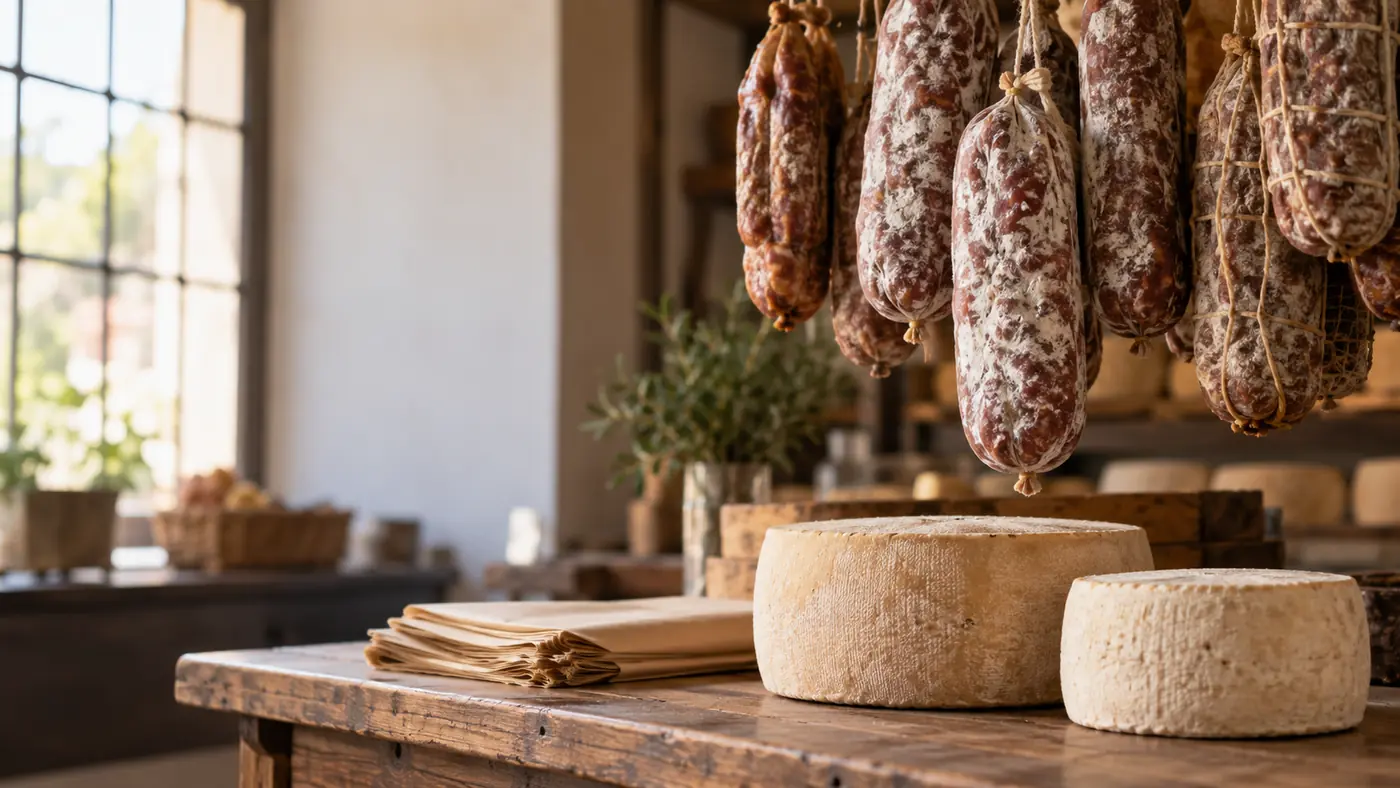
Eggs of any kind
Not permitted from outside the United States. From the United States they are permitted up to five dozen, but only retail packaged and labelled as a product of the USA. Eggs from a farm or a backyard flock fail in both directions.
Fresh milk and butter from abroad
The dairy allowance from non-US countries is narrower than the word "dairy" suggests. Ice cream, yogurt, kashk and pasteurized cheese qualify. Fresh milk and butter from a non-US origin do not appear on that list.
Gift baskets and hampers
A mixed hamper is assessed by its contents, not as a single item. One prohibited component can make the whole basket a problem, and the CFIA has published specific guidance on this. If you are given one as a parting gift, look through it before you pack it.
Beyond food: plants, wood and soil.
The declaration requirement is wider than food, and this is where a great many honest travellers get caught. The CBSA specifically lists items including homemade articles made from plants or wood, houseplants, plant cuttings, seeds and bulbs, bait for recreational fishing, firewood and soiled hiking boots.
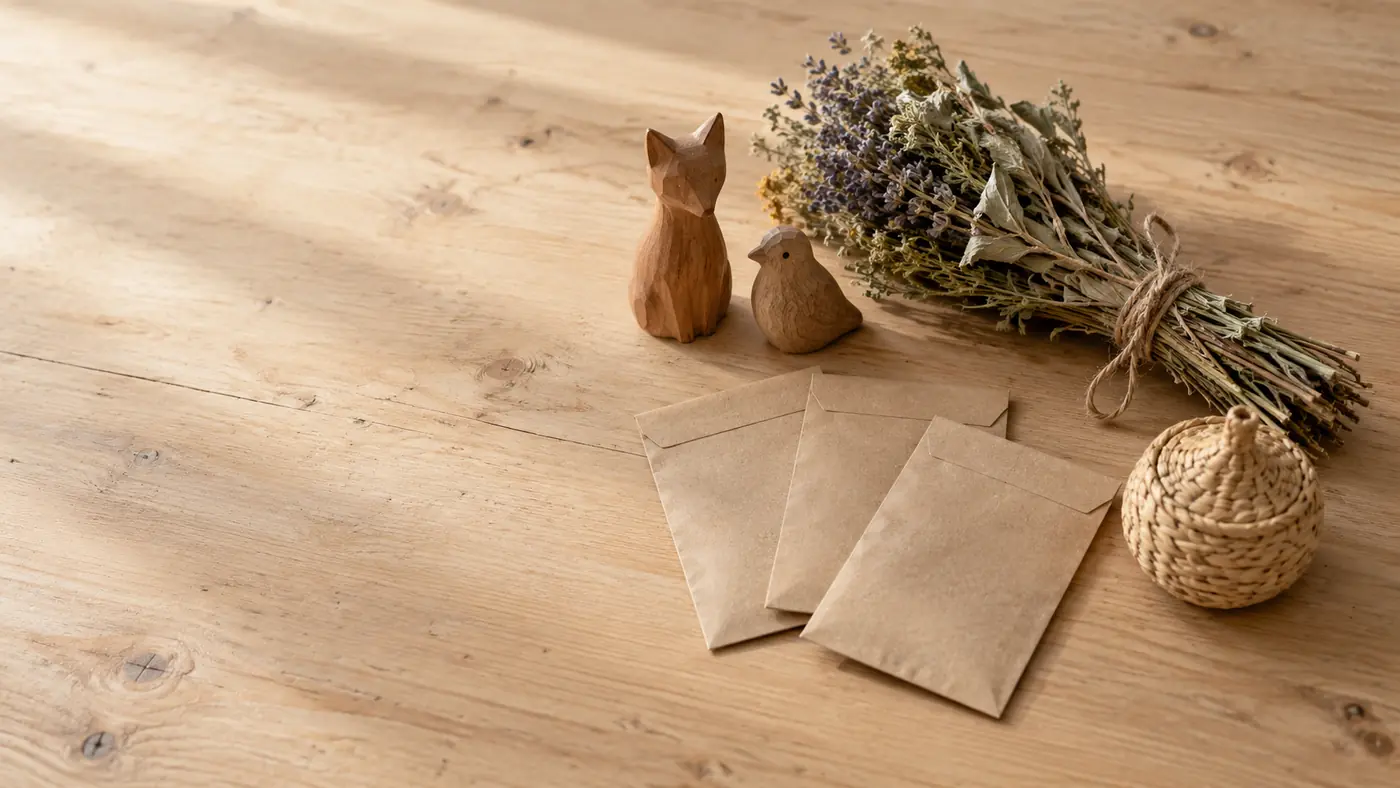
The concern is invasive species and plant pests rather than anything about the item itself. A carved wooden souvenir can carry boring insects; soil on a boot can carry pathogens. Some items are also controlled under the Convention on International Trade in Endangered Species, which applies to certain wood species as well as to animal products.
Practical advice: clean soil and organic debris off boots, tools and equipment before you pack, and declare anything organic even when you are confident it is fine.
The farm visit question.
Your declaration asks whether you have visited a farm. Answer it accurately, and expect a follow-up question if you have.
The CBSA also advises avoiding contact with farmed animals, zoo animals or wildlife for 14 days after arriving in Canada if you were exposed to similar animals abroad. That guidance matters to agricultural visitors, veterinary professionals and anyone arriving from a rural stay, and it is the sort of thing almost nobody reads until an officer asks about it.
At PearsonHow the declaration works at Pearson.
The mechanics are straightforward and take very little time when you are prepared.
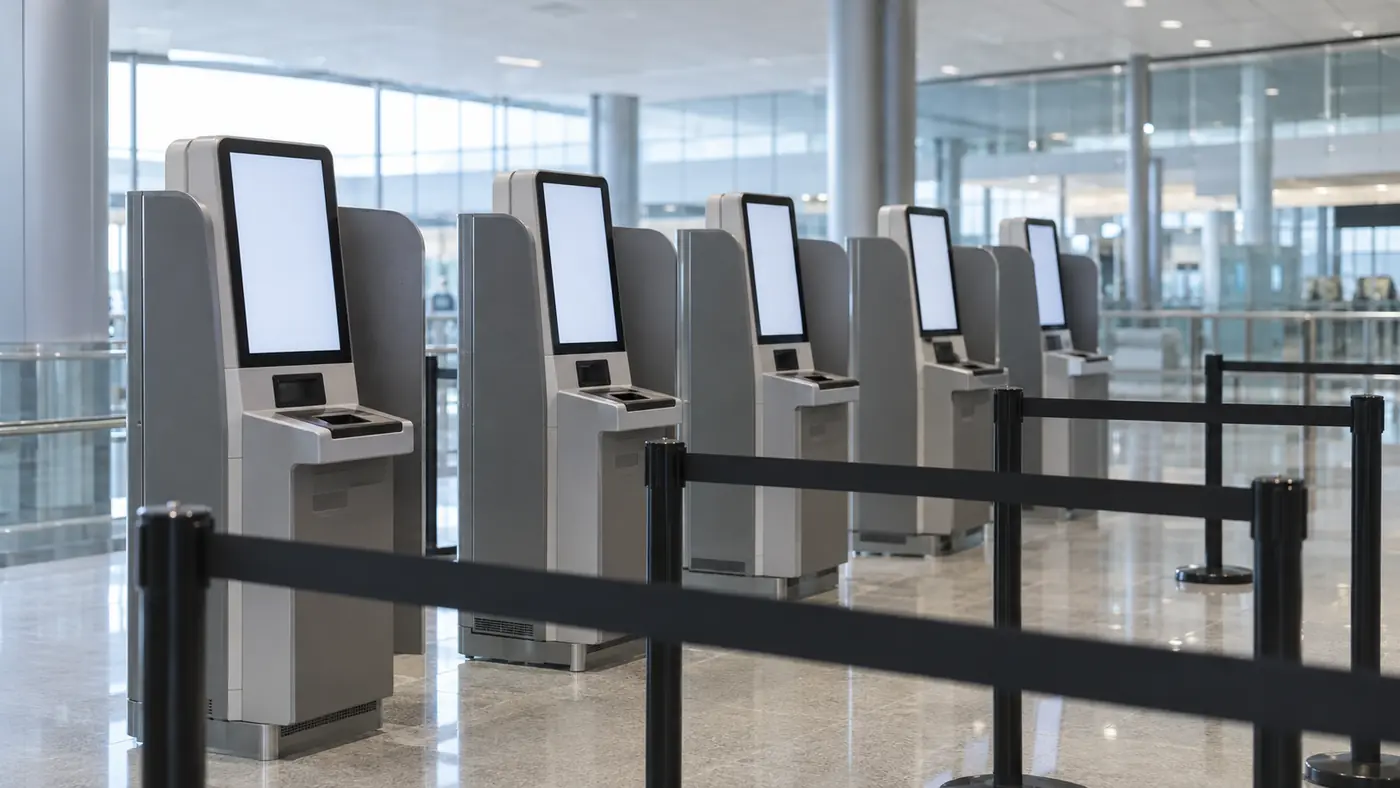
- You declare at a kiosk or on a form. Whichever route your arrival uses, there is a direct question about food, plants and animals. Answer yes if you are carrying any.
- You collect your checked bags. Anything declared should be reasonably accessible rather than buried.
- You present the declaration to an officer. They may ask what the items are and where they came from.
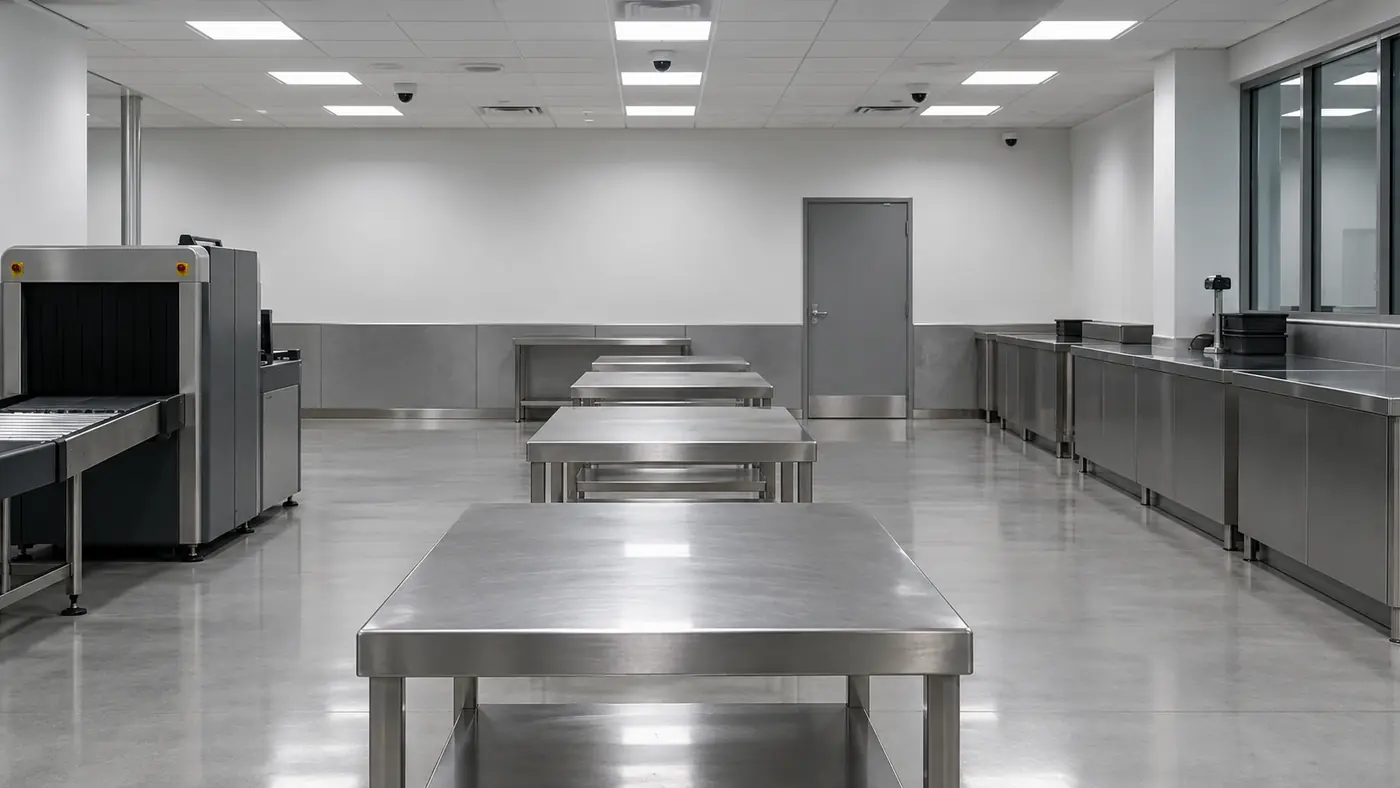
- Either you carry on, or you are referred to secondary inspection for a closer look.
Detector dogs work the baggage halls at Pearson, and the CBSA has publicised several substantial seizures of undeclared meat there. They are looking for undeclared product rather than for travellers who have said yes on a form.
Clearance times vary a great deal depending on the flight and the hour, and our guide to how long clearing customs actually takes sets out the variables. If you are unsure of the layout, it is also worth knowing which terminal you're landing in.
If you’re over the limit, or unsure.
Two situations, two straightforward answers.
If you are over a quantity limit, the personal use exemption no longer applies to the excess, and additional duties and taxes may apply. Declare the full amount and let the officer work out the treatment.
If you genuinely do not know whether something is permitted, use the CFIA's Automated Import Reference System before you pack. It is a database rather than a friendly article, and it is the tool that settles item-specific questions by product, origin and destination province.
One more scenario worth mentioning. If your checked bag contains declared food and the bag itself does not arrive, that becomes a baggage matter as well as a customs one, and our guide on what to do if a bag doesn't arrive covers the additional form international arrivals complete in that situation.
What happens if you don’t declare.
The CBSA has authority under the Agriculture and Agri-food Administrative Monetary Penalties Act to issue warnings or monetary penalties to travellers who fail to declare or illegally import food, plant and animal goods. Penalties currently range from $500 to $1,300 per violation, and violations are graded minor, serious or very serious.
The penalty is not tied to the value of the item. An undeclared piece of fruit and an undeclared box of meat sit in the same framework. Inadmissible goods may also be confiscated and destroyed, and you can be held responsible for disposal, quarantine or removal costs.
There is a longer consequence too. The CBSA keeps a record of infractions. Having one can mean more frequent and more detailed examinations on future trips, and can affect eligibility for trusted traveller programmes such as NEXUS.
Six mistakes travellers make.
- Assuming sealed means exempt. Packaging affects admissibility in some categories; it never affects the duty to declare.
- Applying American rules to a non-American arrival. The two sets of limits are genuinely different.
- Forgetting the non-edible items. Wooden carvings, seeds, dried herbs and muddy boots all count.
- Packing declared food at the bottom of a case. It slows the inspection for everyone.
- Relying on what a friend was allowed last year. Restrictions are adjusted as disease risks change.
- Saying no at the kiosk to save time. It saves a few seconds and risks several hundred dollars.
After the border.
The one practical consequence worth planning for is timing. Declaring food is quick, but it does put you in a queue where an officer may ask questions, and a referral to secondary inspection is unpredictable by nature. Two people on the same flight can exit forty minutes apart.
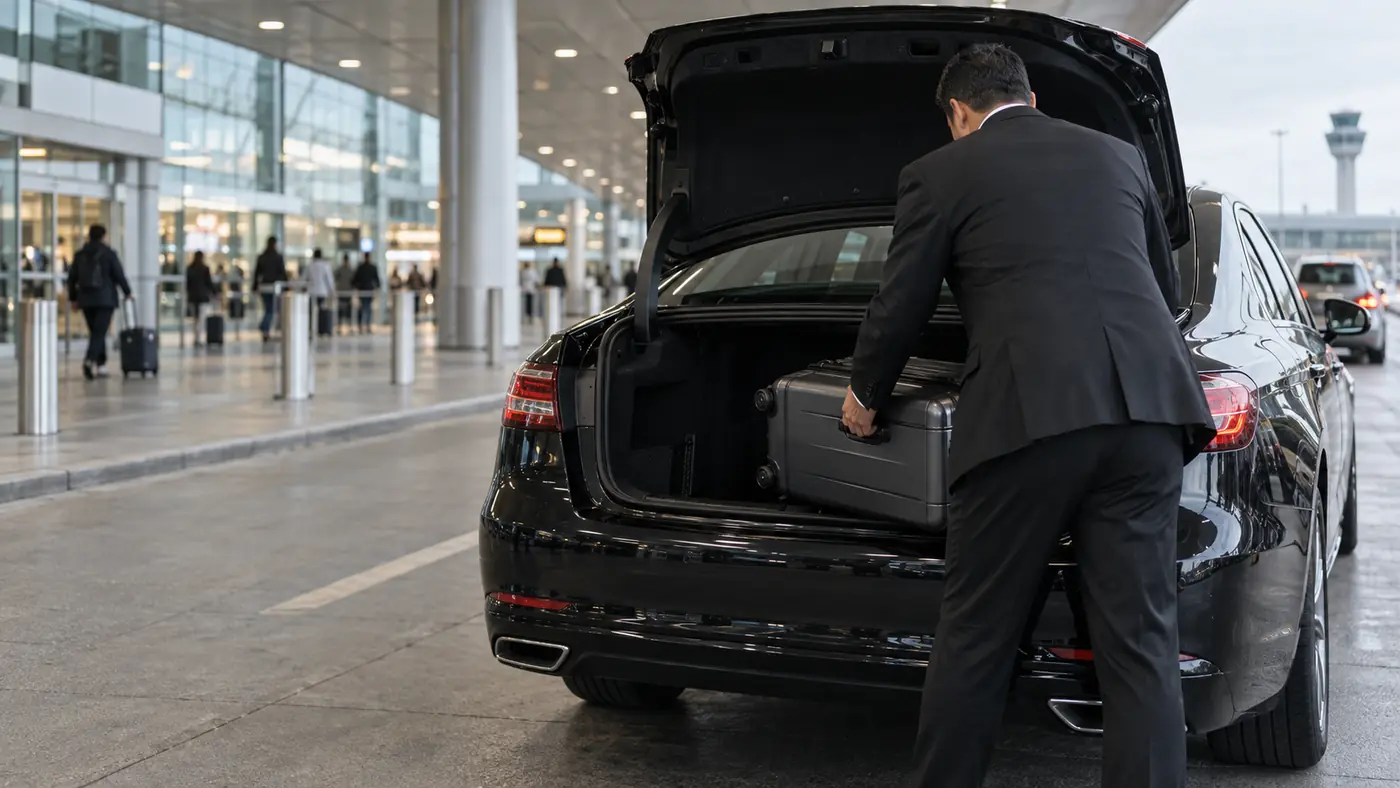
That is the argument for a pre-arranged pickup over a walk-up option: with your flight number on the reservation, the arrival is monitored, and Obsidian Ride includes complimentary wait time on airport pickups. Visitors arriving with food gifts also tend to arrive with more luggage than usual, so it is worth taking a moment to match the vehicle to your luggage when booking.
Details are on the Pearson Airport chauffeur service page, with destinations across Toronto and the wider GTA. If you are unsure where to head once you are through, our guide to where each vehicle type meets you covers both terminals.
Arrivals that wait for the queue.
Add your flight number to the reservation and the pickup follows your actual exit, whether customs takes fifteen minutes or an hour.
Bringing food into Canada: frequently asked questions.
Can you bring food into Canada?
Yes, within limits, and you must declare all of it. The Canadian Food Inspection Agency sets maximum quantity limits for personal use, and what is permitted depends heavily on which country you are arriving from. Arrivals from the United States face far fewer restrictions than arrivals from anywhere else.
Do you have to declare food if it's sealed and store-bought?
Yes. The requirement to declare applies to all food, plant and animal products regardless of packaging, value or whether you think they are permitted. Declaring is separate from being allowed: an officer decides admissibility, and declaring an item that turns out to be prohibited normally means surrendering it rather than being penalised.
How much food can you bring into Canada?
Most categories are capped at 20 kg or 20 L per person. There are exceptions: 40 kg for most fish and seafood, 50 L for non-alcoholic beverages and food-grade oils, five dozen eggs from the United States, 20 L of maple syrup but only 4 kg of maple products, and 1 kg of fish roe.
Can you bring meat into Canada?
From the United States, yes, up to 20 kg, retail packaged with proof of US origin, and carried with you rather than mailed. From any other country, fresh, dried and cured meats such as hams and sausages are not permitted. Only commercially prepared, cooked, shelf-stable meat in a sealed container qualifies.
Can you bring cheese into Canada?
Yes, within the 20 kg or 20 L dairy limit. From outside the United States, only pasteurized cheese is permitted from any country; unpasteurized cheese is allowed only from countries free of certain animal diseases. Ice cream, yogurt and kashk are the other dairy products permitted from non-US origins.
Can you bring eggs into Canada?
From the United States, up to five dozen, provided they are retail packaged, for human consumption and clearly labelled as a product of the USA. Eggs from a farm or backyard flock are not permitted. From any country other than the United States, eggs and processed egg products are not permitted at all.
Can you bring fresh fruit and vegetables into Canada?
Sometimes, up to 20 kg of fruit and 20 kg of vegetables, but admissibility depends on the specific item, the country of origin and the province you are entering. Potatoes from the United States must be commercially packaged and graded US No. 1. Check the Automated Import Reference System before you pack anything fresh.
What is the fine for not declaring food at the Canadian border?
Monetary penalties currently range from $500 to $1,300 per violation, issued under the Agriculture and Agri-food Administrative Monetary Penalties Act. The goods can also be seized and destroyed, you may be billed for disposal costs, and an infraction record can affect future border crossings and trusted traveller eligibility.
Can you bring homemade food into Canada?
It must be declared like anything else, and much of it will not qualify. Meat directly from a farm or backyard flock is not permitted from the United States, and fresh, dried and cured meats are not permitted from other countries at all. Homemade items made from plants or wood are among the products most often missed on declarations.
Do I need to declare a farm visit?
Yes. The customs declaration asks whether you have visited a farm, and you should complete that section accurately. The Canada Border Services Agency also advises avoiding contact with farmed animals, zoo animals or wildlife for 14 days after arriving in Canada if you were exposed to similar animals abroad.
What happens at Pearson if my food is refused?
The item is surrendered and disposed of, and you continue through the arrivals hall. It is an administrative step rather than a penalty, provided you declared it. Secondary inspection adds time, which is worth accounting for if someone is meeting you.